

5 top tips for Precision Farming Software Development
In 2022, the estimated global market size for precision farming was at USD 9.8 billion, and projections indicate a substantial growth to more than USD 34.01 billion by 2032. This anticipated expansion reflects a robust compound annual growth rate (CAGR) of 13.30% during the forecast period spanning from 2023 to 2032.
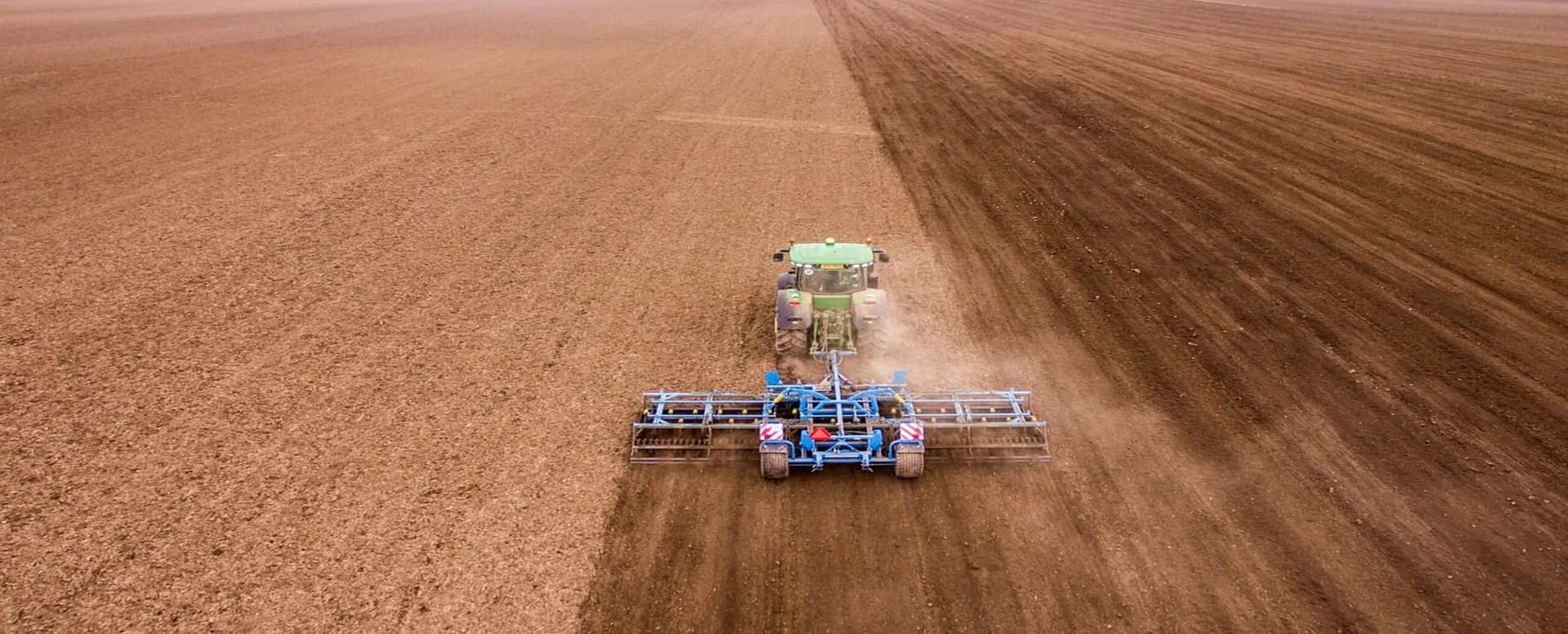
What is precision farming?
How does precision farming software work?
- It collects data
Precision farming replies on various sensors (GPS, soil sensors, drones) and Internet of Things (IoT) devices. They collect data on soil, weather conditions, patterns, crop health, and more. - It analyses data
GIS (Geographic Information System): GIS technology is often used to analyze spatial data, helping farmers understand the variability within their fields. - It provides decision support
Variable Rate Technology (VRT): VRT enables farmers to vary the rate of inputs (such as water, fertilizers, pesticides) based on the specific needs of different areas within a field.
Prescriptive Farming: Software generates recommendations for specific actions based on analyzed data, helping farmers make informed decisions. - It helps with farm management
Crop Management Software: These platforms help farmers plan and monitor crop rotations, manage planting schedules, and track overall field performance.
Inventory Management: Tracks and manages inventory, helping farmers optimize input usage.
Talking use cases: companies that implemented precision farming software
- John Deere offers a comprehensive precision farming platform. Its features include data analysis, field monitoring, and equipment organization. So, farmers can analyze field data, and use this information to make decisions about planting, harvesting, and managing resources.
- Trimble Agriculture designs agriculture solutions including farm and water management and precision planting software. Farmers can use this software to create prescription maps for variable rate applications, monitor field conditions, and manage irrigation systems.
- Corteva Agriscience (Granular) is an example of farm management platform. It provides tools for planting, tracking, and analyzing farming operations.
- Farm management software by Qaltivate. The client, a mid-sized agriculture company specializing in organic food production, approached us with a vision to develop a customized farm management software. The goal was to enhance efficiency, streamline operations, and ensure secure management of agricultural data. Focused on becoming more competitive and improving produce quality, the client sought specialized software to optimize farming methods without compromising data safety. We initiated the development process, creating a secure online platform for smart farming that incorporated live camera data, satellite information, and tools for analytical decision-making. The resulting application successfully reduced resource waste by 20%, leading to significant cost savings, while real-time data access and analytics improved farm management.
Farm management software
Reduced waste, cost saving , real-time data access, and analytics that improved farm management
Develop precision farming software: 5 top tips
At Qaltivate, we are united by the idea that client needs should be the focus. So, it means that we will look for the technologies and alternatives that satisfy the demand we have from the farmers. Our experts are proficient in AI/ML, IoT, and product engineering, and we always focus on what’s important. Here are the tips we have for anyone looking to develop custom precision farming software:
- Prioritize farmer needs. Research and interview the needs of the end user. Make the user the center of the development process. Understand their paint points, workflows, and technological comfort levels. Develop software that is user-friendly, intuitive, and addresses their specific needs.
2. Focus on interoperability and data integration. Precision farming flourishes from data from various sources like sensors, drones, satellites, and weather stations. Make sure that data integration with the existing farm equipment is seamless and smooth.
3. Look beyond yield optimization. Software should offer comprehensive farm management including functionalities like irrigation water management, and nutrient optimization.
4. Be bold with technologies. Look into AI and machine learning, data analytics, to provide insightful recommendations and automated decision-making capabilities.
5. Develop an accessible, affordable and maintainable solution. Consider the budget and expectations and ensure that the tech architecture of the solution, and the features correspond to the money that the business is ready to spend on development and further maintenance.
-card-640x480.webp&w=3840&q=75&dpl=dpl_G8cMt5uKKgmtzLt9vdHLhKunCvij)
-card-640x480.webp&w=3840&q=75&dpl=dpl_G8cMt5uKKgmtzLt9vdHLhKunCvij)
-card-640x480.webp&w=3840&q=75&dpl=dpl_G8cMt5uKKgmtzLt9vdHLhKunCvij)